
A Super Way to Serve Milk
Calling all heroes! Lunchroom milk service is in need of rescue from the clutches of wasteful, expensive, and soggy cartons. With cold and fresh milk, the Silver King Dairy Dispenser is here just in time. It’s better for students, smarter for budgets, and more sustainable for the planet. Make the switch to bulk milk and save the day!
Optimizing Milk Service Efficiency
Enhancing milk service efficiency in schools is vital. Strategic changes can improve milk quality for students while cutting waste and costs.
Pouring Made Easy
Unmasking the Milk Waste Menace
Milk cartons are a major source of waste in schools, leading to millions of gallons of milk being discarded annually. Students often leave cartons unfinished due to the taste, resulting in financial and environmental costs.
Saving Waste, Saving Taste, Saving the Day
Bulk dispensers serve milk colder and fresher, allowing students to pour the amount they want, reducing waste and container clutter. It's beneficial for students, schools, and the environment.
We’re on a mission to help schools create a better mealtime experience for every student by making smart, sustainable changes that improve taste, reduce waste, and support student choice.
A Simple Switch With Big Results
Bulk milk dispensers effectively address the carton issue, significantly cutting waste, saving money, and enhancing the milk experience for students.
Buy In Bulk, Save More
Schools can save thousands of dollars each month by replacing expensive single-serve cartons with 5-gallon milk bladders, while also reducing costs tied to waste hauling and storage.

Pour More, Waste Less
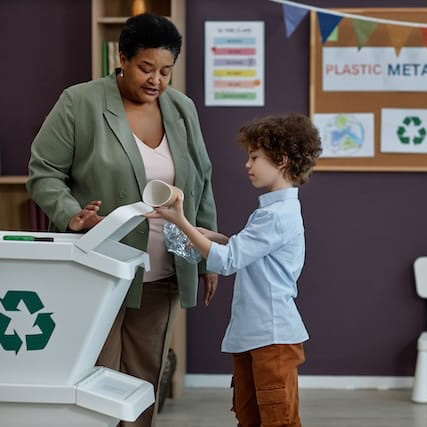
Cut down on leftover milk and eliminate the need to throw away thousands of cartons each month. With less packaging to manage, schools generate significantly less trash, meaning fewer overstuffed dumpsters and less strain on custodial teams.
Create a Greener Lunchroom
Go green with a choice that helps schools meet sustainability goals. By reducing packaging waste, cutting emissions from excess deliveries and trash pickups, and lowering landfill impact, this simple switch supports a healthier planet.

Kids Give Bulk Milk an A+
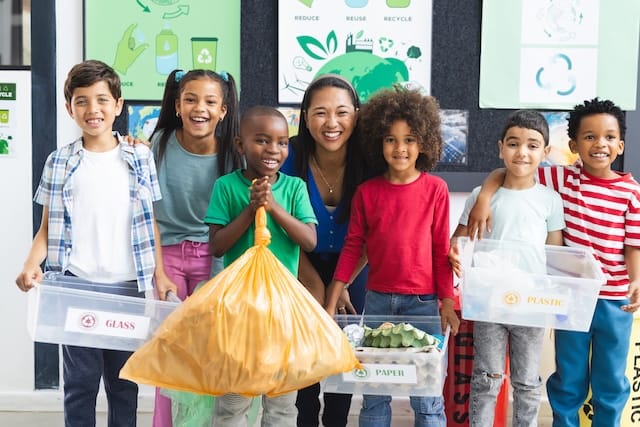
When milk stays colder and tastes better, students are more likely to drink it — not toss it. Bulk dispensers also give kids the power to pour just the right amount, reducing waste and giving them more independence and control at mealtime.
Smoother Service, Simpler Storage
Make cafeteria service faster, cleaner, and more efficient. By eliminating the clutter of milk cartons, schools free up valuable cooler space, reduce cleanup time, and streamline ordering and storage, giving food service teams more time to focus on students and mealtime routines.

Success Stories
Bulk milk dispensers are making a difference for schools and students across the country. Explore the stories below to learn how schools are benefitting from switching to bulk milk.
How You Can Help
Engage with us in our mission to revolutionize school milk programs. By participating, you can contribute to reducing waste, enhancing taste, and promoting sustainability in educational environments.
Students
Students want control and a cold drink that tastes good. With dispensers, they can pour what they want, waste less, and enjoy milk the way it should be.
- Cold, fresh milk served in reusable cups
- No pressure to finish full carton
- Feels more grown-up and gives students choice
Teachers
Lunchroom chaos spills into classrooms. Bulk milk makes lunch quicker, quieter, and more independent, so students head back to class nourished and ready to focus, without the clutter or cleanup.
- Fewer lunchtime delays and disruptions
- More students actually drink their milk
- Helps promote responsibility in younger students
Parents
Parents want schools that take care of both their children and the planet. Bulk milk stays fresher and is more appealing to students, resulting in less waste and increased nutrition consumption. It is a smarter, more sustainable choice, and many schools can offset costs with available grant funding.
- Fresher milk = more nutrients consumed
- Less food and packaging waste in your child’s lunchroom
- Builds independence and smart habits in young eaters
Principals
Your lunchroom can run more smoothly, efficiently, and cleanly. Bulk milk helps reduce noise, spills, and waste while supporting district goals for nutrition and sustainability. With grant options and easy setup, it’s a practical change with measurable results.
- Shorter lunch transitions and a smoother mealtime experience for staff and students
- Aligns with wellness policies and green initiatives
- Easy for staff to manage with minimal training
Nutrition Directors
Serving milk shouldn’t create extra headaches. Bulk dispensers reduce unopened milk waste, keep milk cold and fresh, and simplify service, helping your team serve more students with less cleanup.
- Improves milk consumption while reducing food and packaging waste
- Quicker service lines with less cooler clutter
- Fewer deliveries and simpler inventory planning
We wrote the playbook
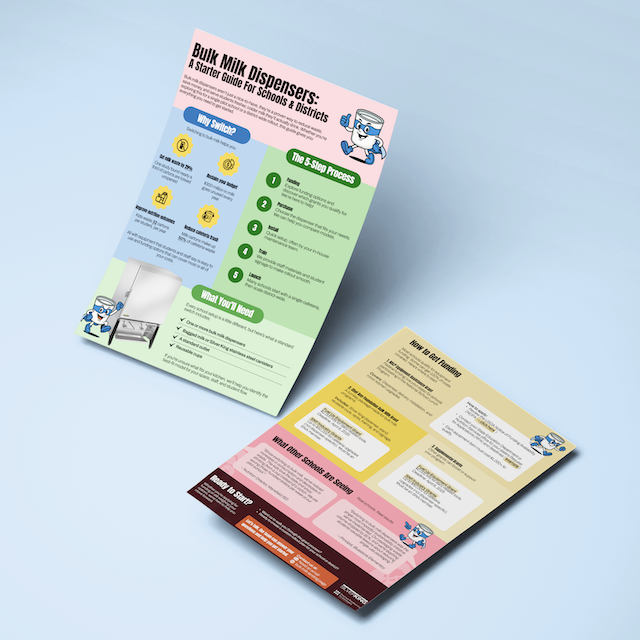
Upgrade your school's milk program with our free Action Plan. Fill out the form below to learn how bulk milk dispensers can reduce waste and save costs, benefiting both your budget and the environment.
Calculate Your Savings
Use our cost savings calculator to find out how your school could benefit from bringing bulk milk dispensers to your lunchroom.
Financial Savings Calculator
Use our cost savings calculator to find out how your school or district could benefit from bringing bulk milk dispensers to your lunchroom.
Your Savings Results
You've seen the potential savings, now let's make it a reality! Contact us today to start transforming your school's milk program and enjoy the benefits of bulk milk dispensers.
Articles & News
Schools adopting bulk milk dispensers see major improvements in cost and environmental impact, showcasing the power of sustainable practices.


Frequently Asked Questions
Curious about more details? Dive into our FAQ section to uncover all the answers you need.
Yes! Dispensers are designed for easy, hygienic self-service, even for younger students. Many schools choose to provide reusable, dishwasher-safe cups or compostable options. Some encourage students to bring their own labeled cup from home. With a little guidance early on, most students adapt quickly and schools often see increased milk consumption thanks to the novelty and freedom of choice.
Absolutely. Most models can hold two or three milk bags, allowing you to offer multiple varieties, such as 1% white, fat-free chocolate, or lactose-free milk. This makes it easy to meet NSLP requirements while giving students the choices they’re used to.
Cleaning is quick and straightforward. At the end of each day, staff simply remove and rinse drip trays, replace dispense tubes, and wipe down surfaces. Many models are NSF-certified and built with daily foodservice routines in mind. With a simple cleaning checklist and staff training, schools find the process easy to maintain.
Yes! Dispensers are fully compliant with NSLP guidelines when they meet temperature, labeling, and portion requirements. As long as students receive at least 8 oz. of properly labeled milk served at or below 41°F, the meal qualifies for reimbursement. In fact, many state agencies encourage bulk milk as a cost-effective, environmentally friendly alternative to cartons.
Most commercial-grade dispensers range from $2,000 to $5,000. Over time, schools often save money by reducing labor, packaging, and waste handling. To make the transition easier, programs like the Chef Ann Foundation’s Bulk Milk Grant provide full support, including equipment, cups, and training, for schools participating in the National School Lunch Program (NSLP). Many states also offer USDA equipment grants that can be used to fund bulk milk dispensers. Contact us for more info!
Yes. Commercial dispensers are insulated and maintain milk at safe temperatures below 41°F. Units like those from Silver King use precision cooling systems to keep milk fresh and ready to serve throughout the day, even during high-volume lunch periods.
Most school-use dispensers hold 6 to 12 gallons of milk and use 3- or 5-gallon milk bags that are easy to handle. Refilling is simple: open the dispenser, swap in a new bag, connect the nozzle, and you’re ready to go. Staff can check levels through a quick peek inside and typically refill once per day, depending on usage.
Switching to a bulk milk dispenser is a simple, high-impact way to reduce your school’s environmental footprint. Eliminating single-use milk cartons significantly cuts down on packaging waste and helps reduce the amount of unopened milk that ends up in the trash. Many schools also transition to reusable cups, supporting broader zero-waste goals and creating a more sustainable lunchroom culture. To see how this works in practice, and how student choice plays a role, check out our blog: Rethinking School Milk: What Happens When Students Get to Choose.
U.S. schools waste an estimated 530,000 tons of food each year, and milk is one of the top items thrown out—often unopened. That adds up to over 45 million gallons of wasted milk annually, costing schools and taxpayers nearly $300 million.Bulk milk dispensers help reduce this waste by giving students more control over how much they take. If you're interested in the bigger picture, we break it down further in our blog: The $300 Million Problem in Schools No One Talks About.